
Japanese design principles, renowned for their emphasis on harmony and minimalism, now extend to the shower. This aesthetic, characterized by serene color palettes and thoughtful material choices, offers a sanctuary within the bathroom. Beyond the visual appeal, it’s about crafting a functional and relaxing space that resonates with Japanese design philosophy.
From the careful selection of materials to the subtle integration of natural elements, this exploration delves into the multifaceted world of Japanese shower curtain aesthetics. We will examine the cultural and historical influences, practical considerations, and modern interpretations of this trend, ultimately providing a comprehensive guide for those seeking to incorporate this unique style into their homes.
Defining the Aesthetic
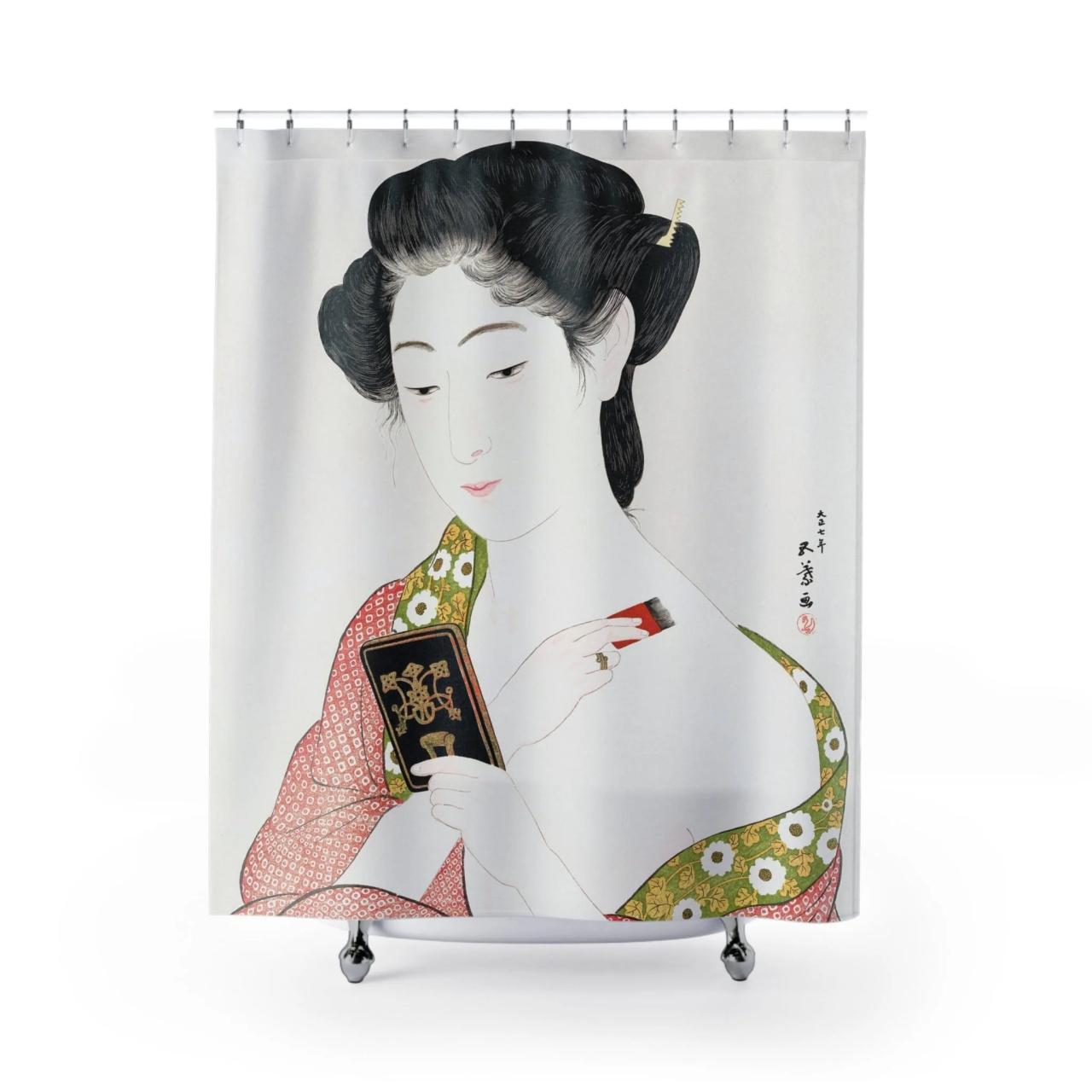
The Japanese shower curtain aesthetic, often characterized by serene simplicity and a deep connection to nature, reflects a broader cultural preference for minimalism and harmony. This design philosophy transcends mere decor; it embodies a holistic approach to living spaces, emphasizing tranquility and the integration of natural elements. It’s a departure from ostentatious displays, instead prioritizing subtle elegance and a sense of calm.This aesthetic draws heavily from Japanese design principles, particularly the concept ofwabi-sabi*, which embraces imperfection and the beauty of natural processes.
The emphasis on understated elegance and natural materials is deeply rooted in the nation’s history, with centuries of appreciation for handcrafted artistry and the subtle nuances of nature.
Key Characteristics
This aesthetic is defined by a harmonious blend of subtle colors, natural materials, and minimalist design. The focus is on creating a calming and serene atmosphere, fostering a sense of peace and tranquility within the bathroom.
Color Palettes
Common color palettes often feature muted tones, drawing inspiration from nature. Earthy tones like sage green, light beige, and soft gray are frequently used, evoking a sense of calm and grounding. Occasionally, subtle accents of deep blues or muted purples are incorporated, further enhancing the sense of serenity. These palettes are often complemented by warm, neutral undertones, creating a comforting and inviting atmosphere.
Materials
Natural materials, such as bamboo, rattan, and wood, are frequently employed. These materials contribute to the overall aesthetic by evoking a sense of connection to nature. Textiles, such as linen and cotton, are also popular choices for their soft texture and breathability. The use of these natural and sustainable materials aligns with the principles of environmental consciousness and promotes a sense of well-being.
Design Elements
Several key design elements contribute to the overall ambiance of the Japanese shower curtain aesthetic. Simple, uncluttered designs, often featuring minimalist patterns or subtle textures, are common. The incorporation of natural elements, such as plants or subtle depictions of nature, further enhances the connection to the outdoors. The use of lighting plays a crucial role, with soft, diffused light often preferred to create a soothing atmosphere.
These elements collectively contribute to a sense of serenity and peace, allowing for a mindful and rejuvenating shower experience.
Visual Elements
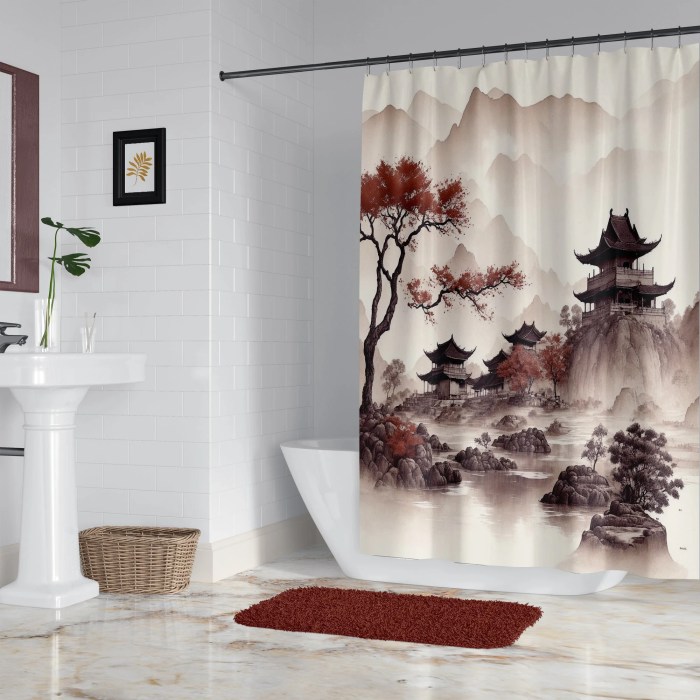
The Japanese aesthetic, often characterized by simplicity and harmony, extends to the shower curtain, creating a tranquil and serene atmosphere within the bathroom. Careful consideration of color palettes, materials, patterns, and lighting is crucial in achieving this aesthetic. These visual elements work in concert to evoke a sense of calm and connection with nature, contributing to a holistic and enriching experience.
Color Palettes
Color palettes play a significant role in establishing the mood and atmosphere of a space. Japanese aesthetics often favor muted, natural tones, drawing inspiration from the Japanese landscape.
| Color Palette | Impact |
|---|---|
| Earthy Tones (browns, greens, beiges) | Evokes a sense of calmness and grounding, often associated with nature. |
| Soft Blues and Greys | Creates a serene and tranquil ambiance, mirroring the vastness of the sky and water. |
| Muted Pastels (light pinks, lavenders, mint greens) | Introduces a delicate and airy quality, adding a touch of softness and sophistication. |
| Black and White | Offers a minimalist and sophisticated contrast, creating a sleek and modern feel. |
Materials
The choice of material significantly influences the texture and feel of the shower curtain. Natural materials, often favored in Japanese design, provide a sense of warmth and sustainability.
| Material | Properties | Suitability |
|---|---|---|
| Cotton | Soft, breathable, and absorbent. | Excellent for a natural and comfortable feel. |
| Polyester | Durable, water-resistant, and easy to clean. | Ideal for practicality and long-lasting use. |
| Bamboo | Sustainable, naturally water-resistant, and provides a textured look. | Appealing for its eco-friendly nature and unique visual appeal. |
| Silk | Luxurious, smooth, and elegant. | Suitable for a sophisticated and luxurious bathroom experience. |
Patterns
Japanese shower curtains frequently incorporate patterns inspired by nature, traditional art forms, or minimalist designs.
- Floral patterns, often featuring delicate blossoms or stylized flowers, draw inspiration from Japanese gardens and traditional art. These patterns evoke a sense of tranquility and beauty, mirroring the natural world.
- Geometric patterns, with their clean lines and symmetrical designs, are inspired by traditional Japanese crafts and emphasize a sense of order and balance.
- Abstract patterns, inspired by calligraphy, ink painting, or natural forms, provide a subtle yet sophisticated touch.
- Nature-inspired patterns, featuring elements like bamboo, waves, or cherry blossoms, evoke a connection to nature and Japanese landscapes.
Lighting
Lighting significantly impacts the overall perception of the Japanese shower curtain aesthetic. Soft, diffused light is crucial for enhancing the serenity and warmth of the space.
Ambient lighting, such as warm-toned LED strips or recessed lighting, creates a welcoming and calming atmosphere. Avoid harsh, direct lighting, which can clash with the serene nature of the design.
Textures
Textures contribute to the overall sensory experience in the shower area. Japanese shower curtains frequently incorporate textures that evoke a sense of nature and simplicity.
- Smooth surfaces create a sense of serenity and sophistication, mirroring the tranquility of water.
- Subtle textures, such as subtle embossing or a soft, woven pattern, add visual interest without being overly obtrusive.
- Natural fibers, such as cotton or bamboo, provide a tactile experience that enhances the sense of comfort and warmth.
Practical Considerations
Japanese-style shower curtains, with their minimalist designs and often translucent materials, offer a serene aesthetic. However, their practicality depends heavily on the specific bathroom setting and the homeowner’s needs. Choosing the right size, material, and installation method is crucial for maximizing both the aesthetic and functional aspects of the space.The adaptability of these designs is key to their appeal, but careful consideration of their practicalities is necessary.
Factors like the size of the shower stall, the overall bathroom layout, and the desired level of privacy need careful evaluation before implementation.
Bathroom Setting Adaptability
Japanese-style shower curtains are versatile, but their suitability depends on the bathroom’s size and layout. In smaller bathrooms, a translucent or semi-opaque curtain can create a sense of spaciousness. Larger bathrooms, on the other hand, can benefit from a more substantial, full-length curtain that provides greater privacy. The curtain’s size and shape can significantly impact the visual perception of the space.
Size and Shape Considerations
Shower curtain sizes vary significantly, impacting both aesthetics and practicality. Standard sizes usually range from 60 inches to 72 inches in width and 72 inches to 84 inches in length. Larger sizes, while providing more privacy, might overwhelm a small shower stall. Conversely, smaller sizes could leave the shower area feeling exposed. Custom sizes are available for optimal fit in non-standard shower stalls.The shape of the curtain also plays a role.
Rectangular curtains are the most common, offering a clean, straightforward look. Curved or arched shapes can be incorporated for a more visually interesting design, but may require specialized installation. The shape should be thoughtfully considered in relation to the shower’s architectural features and the overall bathroom design.
Maintenance Requirements
The material of the shower curtain significantly impacts its maintenance. Natural fibers, like cotton, require more frequent cleaning and drying. Synthetic materials, like polyester, are more water-resistant and generally easier to maintain. Manufacturers often provide specific cleaning instructions, and regular cleaning prevents mold and mildew buildup, crucial for maintaining a hygienic shower space.
- Cotton Curtains: These often require hand-washing or gentle machine washing in cold water, followed by air drying to prevent shrinkage. Regular cleaning is essential to prevent mildew growth.
- Polyester Curtains: These are more water-resistant and can be machine washed in a delicate cycle, but it’s crucial to check the specific care instructions from the manufacturer.
- Acrylic Curtains: These are also water-resistant and relatively easy to clean, often suitable for machine washing in a delicate cycle. Regular wiping down with a damp cloth can also be effective.
Installation Methods
Installation methods for Japanese shower curtains vary depending on the curtain’s design and the shower stall’s structure. A simple hook-and-ring system is common for rectangular curtains, while more complex systems might be necessary for curved or arched shapes. Installing the curtain correctly ensures proper water containment and longevity. Carefully measuring the shower stall and selecting appropriate hardware are essential.
- Hanging Systems: Simple rings and hooks are the most common method, easily adaptable to most shower stalls.
- Custom Installation: For unique shapes, custom-designed installation systems might be necessary, requiring professional assistance. This ensures proper water sealing and prevents leaks.
- Shower Niche Integration: Some designs are specifically designed to fit into shower niches, eliminating the need for traditional hanging systems. Careful measurements and planning are necessary for successful integration.
Water Resistance
Water resistance is paramount for Japanese shower curtains. The primary concern is preventing water leakage and mold or mildew growth. Materials like polyester and acrylic are inherently more water-resistant than natural fibers. Manufacturers often specify the water resistance of their products. It’s essential to select curtains designed to withstand the moisture in a shower environment.
“Water resistance ratings, like those for outdoor fabrics, are important to consider when selecting a Japanese-style shower curtain. Look for materials designed to resist water penetration and mildew growth.”
Inspirational Examples
Japanese-inspired shower curtains offer a serene and minimalist escape within the bathroom. This aesthetic prioritizes natural elements and subtle design, creating a tranquil atmosphere perfect for relaxation and rejuvenation. Drawing inspiration from Japanese design principles, this style can elevate any bathroom into a tranquil oasis.
Websites Featuring Excellent Examples
Numerous online retailers and design blogs showcase contemporary Japanese-inspired shower curtain designs. Sites specializing in home decor, like Etsy, offer a wide variety of options, from simple, minimalist designs to more elaborate pieces incorporating intricate patterns. Furthermore, interior design blogs and magazines often feature bathroom makeovers showcasing the elegance of Japanese aesthetics. A significant number of Japanese-inspired home decor sites cater specifically to those seeking to emulate Japanese design in their bathrooms.
Application in Various Bathrooms
The Japanese aesthetic adapts seamlessly to diverse bathroom sizes and styles. In smaller bathrooms, the minimalist approach keeps the space feeling uncluttered and airy. Larger bathrooms benefit from the inclusion of natural elements and strategically placed accessories to create a sense of calm and spaciousness. The subtle color palettes and muted tones of the aesthetic can create a cohesive look in both modern and traditional bathroom designs.
For instance, a bathroom with a minimalist modern design could benefit from a subtle, neutral-toned shower curtain with minimalist bamboo accents. A traditional-style bathroom can be enhanced with a natural fiber shower curtain, paired with ceramic or wood accessories.
Role of Accessories in Enhancing Design
Accessories play a vital role in enhancing the overall design of a Japanese-inspired shower area. Natural materials like bamboo, wood, and stone, often used in these designs, create a warm and inviting atmosphere. Small, thoughtfully placed accessories such as minimalist ceramic bowls, sleek bamboo shelves, or carefully selected plants can amplify the overall effect. For instance, a small, handcrafted ceramic vase holding a single, striking branch or a few carefully selected bamboo plants can add a touch of serenity.
Similarly, a simple, wooden shelf with a few essential toiletries can add a sense of calm.
Incorporating Plants into the Shower Area
Incorporating plants into the shower area is crucial for fostering a Japanese-inspired ambiance. Low-maintenance, humidity-tolerant plants like ferns, bamboo plants, or air plants are excellent choices. These plants not only add a touch of natural beauty but also contribute to a more calming and relaxing environment. Placing a few strategically placed plants, like a small potted fern or a collection of air plants, can instantly transform the shower space.
For instance, a small fern or an air plant on a small, wooden shelf or a simple stone-based planter can create a tranquil ambiance.
Use of Natural Elements
Natural elements are essential for creating a truly authentic Japanese shower experience. Materials like bamboo, wood, and stone are key components, contributing to the overall sense of serenity. Using natural fibers for the shower curtain, or incorporating a stone-based feature wall, can seamlessly integrate the design into the surrounding environment. This approach promotes a sense of connection with nature, making the shower area a sanctuary for relaxation.
For example, a bamboo shower curtain, paired with a wooden shelf and a small, stone-based planter holding a fern, effectively brings a Japanese aesthetic to life.
Modern Interpretations
The traditional Japanese aesthetic, often associated with minimalist design and natural materials, is experiencing a resurgence in contemporary design, adapting to modern sensibilities and practicalities. This evolution introduces a fresh perspective, incorporating innovative materials and contemporary design elements while retaining the core principles of serenity and harmony. Modern interpretations offer a dynamic approach to the traditional aesthetic, making it more accessible and relevant to a wider audience.Contemporary design trends are driving the reimagining of the Japanese aesthetic for shower curtains.
This reimagining emphasizes both visual appeal and functional practicality, leading to diverse interpretations that cater to different preferences and lifestyles. The integration of contemporary design elements ensures the aesthetic remains both timeless and relevant to the modern era.
Contrasting Traditional and Modern Interpretations
The Japanese aesthetic in shower curtains, while rooted in tradition, has evolved significantly. The following table highlights key differences between traditional and modern interpretations.
| Feature | Traditional | Modern |
|---|---|---|
| Materials | Natural fibers like bamboo, cotton, and linen. Often hand-woven or with simple, understated patterns. | A wider array of materials including high-performance fabrics like polyester blends with water-repellent properties. Incorporates digital prints, geometric patterns, and modern textures. |
| Color Palette | Muted earth tones, natural whites, and subtle greens and blues, often evoking a sense of tranquility. | A wider range of colors including bold accents, incorporating vibrant hues while maintaining a sense of balance and harmony. |
| Design Elements | Minimalist designs emphasizing simplicity and natural forms. Often featuring subtle, traditional Japanese motifs. | Incorporates modern geometric patterns, abstract art, or contemporary interpretations of traditional Japanese imagery. |
| Functionality | Primarily focused on aesthetic appeal. | Emphasis on both aesthetics and practical considerations such as water resistance, mold and mildew resistance, and ease of cleaning. |
Emerging Trends
The Japanese shower curtain aesthetic is experiencing a surge in creative interpretations. These emerging trends demonstrate a move towards versatility and accessibility.
- Sustainable Materials: Growing consumer awareness of environmental issues is driving the use of recycled or eco-friendly materials, like recycled plastic or plant-based fibers, to create shower curtains that are both stylish and environmentally responsible.
- Digital Prints and Patterns: Contemporary interpretations leverage digital printing techniques to create intricate patterns inspired by traditional Japanese art forms or nature. This allows for unique and personalized designs.
- Geometric and Abstract Designs: The use of bold geometric shapes and abstract patterns offers a fresh and contemporary take on the traditional aesthetic, adding visual interest and sophistication.
Incorporating Contemporary Design Elements
Contemporary design elements can be integrated into the Japanese aesthetic to create a unique and personalized style. This includes employing bold colors and textures without compromising the overall sense of serenity and harmony.
- Bold Colors with Restraint: Introduce pops of vibrant color, like deep blues, rich reds, or striking oranges, in carefully curated accents. This maintains the overall balance of the space.
- Modern Textures: Incorporate contemporary textures like linen blends with subtle patterns or metallic threads for a touch of modern elegance, maintaining the core principles of the Japanese aesthetic.
- Minimalist Lighting: Integrate minimalist lighting solutions, such as recessed lighting or strategically placed sconces, to enhance the overall atmosphere and complement the aesthetic.
Adapting to Different Bathroom Sizes and Shapes
The Japanese aesthetic is adaptable to various bathroom sizes and shapes.
- Small Bathrooms: Employ minimalist designs and light colors to visually enlarge the space. Choose shower curtains with subtle patterns or textures that do not overwhelm the small space.
- Large Bathrooms: Incorporate bold patterns or colors to add visual interest to a large space. Experiment with layered textures and different materials to create depth and dimension.
- Unusual Shapes: Adapt the design to accommodate unusual shapes or corners. Choose a flexible and versatile material that can conform to the shape of the space.
Blending with Other Styles
The Japanese aesthetic can be successfully blended with other styles. The versatility of the aesthetic allows for creative fusion.
- Modern Minimalism: The clean lines and neutral colors of the Japanese aesthetic complement the clean aesthetic of modern minimalism.
- Scandinavian Design: The emphasis on natural materials and serene color palettes creates a harmonious blend with Scandinavian design.
- Industrial Chic: The use of natural materials and subtle patterns can add a touch of elegance to the industrial chic style, creating a balanced and visually appealing bathroom.
Space and Functionality
The Japanese aesthetic, with its emphasis on minimalism and harmony, presents unique challenges and opportunities for bathroom design, particularly in optimizing space and functionality. Careful consideration of dimensions, layout, and the relationship between form and function is paramount in translating this philosophy into a practical and visually appealing shower experience. A well-executed design should not only enhance the aesthetic appeal but also improve the overall usability of the space.The effectiveness of the Japanese shower aesthetic is contingent on the available space.
Smaller bathrooms require innovative solutions to maintain a sense of spaciousness and avoid feeling cramped. Conversely, larger bathrooms provide the opportunity to create a more elaborate and immersive bathing experience. The goal is to balance the aesthetic with the practical demands of a functional space.
Adapting to Different Bathroom Sizes
Maximizing space in smaller bathrooms is crucial. This involves strategic placement of fixtures, minimizing bulky elements, and opting for space-saving showerheads and fixtures. Mirrors can be strategically positioned to create an illusion of greater depth. Utilizing light and airy colors on walls and the shower curtain can also contribute to an open feeling. In larger bathrooms, the aesthetic can be further developed with larger fixtures, multiple showerheads, and the incorporation of natural elements like plants, bamboo, or stone features.
Impact of Spatial Design on Shower Experience
The spatial design significantly impacts the shower experience. A well-designed space encourages relaxation and mindfulness, enhancing the overall bathing ritual. Open layouts can promote a sense of spaciousness and tranquility, while more intimate designs can foster a sense of privacy and seclusion. Strategic lighting, like natural light or strategically placed recessed lighting, can enhance the ambiance and create a calm atmosphere.
The careful placement of showerheads and the flow of water are also important aspects to consider for an enjoyable experience.
Relationship Between Functionality and Aesthetic Appeal
The Japanese aesthetic prioritizes functionality alongside aesthetics. The seamless integration of practical elements, like a well-designed shower system or a thoughtfully positioned storage area, contributes significantly to the overall appeal. For example, a minimalist design with efficient water-saving features resonates with both the aesthetic and the practical concerns of water conservation. Simple, high-quality materials that are durable and easy to maintain are integral to the balance of form and function.
Design for a Small Bathroom
For a small bathroom, a minimalist design is ideal. A frameless shower enclosure, using a sliding door system, maximizes space. A single, sleek showerhead with a high-pressure water flow provides a powerful yet efficient showering experience. A light-colored shower curtain in a subtle pattern, combined with neutral-toned walls and flooring, can visually enlarge the space. A small, integrated storage unit, perhaps built into the wall, can provide necessary storage without sacrificing precious floor space.
Impact of Shower Curtain Length and Width
The length and width of the shower curtain significantly affect functionality. A curtain that extends to the floor or just below creates a more contained and defined shower space, preventing water from splashing outside. The width should be sufficient to provide a full barrier without feeling overly restrictive. A wider curtain can create a sense of privacy and a more secluded shower experience, while a narrower one can be suitable for smaller spaces, although a slightly wider one is generally recommended for improved water containment.
Material Exploration
Beyond aesthetics, the selection of materials for a Japanese-inspired shower curtain hinges on factors like durability, water resistance, and environmental impact. The right choice balances visual appeal with practicality, considering the high moisture and temperature fluctuations of a bathroom environment. This exploration dives into unique materials, their sustainability profiles, and the trade-offs between various fabric types.Japanese design often prioritizes natural materials, reflecting a deep connection with nature.
This extends to shower curtains, where the use of sustainable and eco-friendly options is paramount. The cost implications of these choices are also crucial, as they can influence the overall budget of the project.
Unique Materials for Shower Curtains
The Japanese aesthetic often celebrates natural fibers and minimalist designs. Materials like bamboo, linen, and Japanese paper (washi) are excellent candidates. Beyond these, innovative textiles like recycled plastic fabrics offer both sustainability and a contemporary edge. For a high-end look, high-quality, textured cotton or even subtly patterned linen, available in a variety of shades and subtle patterns, can add a refined touch.
Sustainability of Different Materials
The environmental footprint of a material is crucial in contemporary design. Bamboo, for instance, is a fast-growing, renewable resource. Linen, while requiring more water in production than some synthetics, is often made with more sustainable farming practices in comparison to other crops. Washi paper, sourced from natural fibers, is known for its environmental friendliness. However, the recycling and sourcing of recycled plastic materials need to be carefully evaluated to ensure ethical production and minimal environmental impact.
Benefits and Drawbacks of Fabric Types
Fabric choices for shower curtains must withstand the humid bathroom environment. Natural fibers like linen and cotton offer breathability and a tactile quality. However, their susceptibility to mold and mildew necessitates proper care and potentially more frequent replacement. Synthetics, while more resistant to moisture, might lack the tactile experience and natural feel preferred in Japanese design. Ultimately, the selection depends on the desired balance between aesthetics, sustainability, and practicality.
Properties of Natural Materials
Natural materials, like bamboo, possess inherent qualities that align with Japanese design principles. Bamboo’s strength and resilience are well-suited for high-moisture environments. Its natural, warm tones evoke a sense of serenity and connection to nature. Linen’s natural drape and soft texture contribute to a calming atmosphere. The inherent properties of these materials, including their texture and color palette, contribute significantly to the overall aesthetic.
Cost Implications of Different Materials
The cost of shower curtains varies significantly based on the material. Natural fibers like linen and bamboo tend to be more expensive than synthetic alternatives. However, the long lifespan of high-quality natural materials can offset the initial investment over time. Recycled plastic fabrics present an interesting balance between cost and sustainability, offering a potentially lower price point while contributing to a circular economy.
The cost-benefit analysis should consider the material’s lifespan, maintenance requirements, and overall impact on the project budget.
Cultural Nuances
Japanese design aesthetics, particularly in the context of shower curtains, reflect a deep-seated cultural reverence for nature, simplicity, and harmony. These principles translate into a visual language that is both visually appealing and emotionally resonant. The meticulous attention to detail, often seen in traditional Japanese art forms, finds expression in the subtle nuances of the aesthetic, creating a serene and tranquil atmosphere.Japanese design, at its core, is rooted in the philosophies of Zen Buddhism and Shinto.
These philosophies emphasize the importance of mindfulness, respect for nature, and a connection to the spiritual world. These principles profoundly shape the aesthetic, influencing everything from the choice of materials to the arrangement of elements. The emphasis on balance and harmony reflects a desire to create a space that fosters peace and well-being.
Symbolism of Elements
The careful selection of elements used in the aesthetic carries significant symbolic weight. Natural motifs, such as bamboo, cherry blossoms, and flowing water, are common and represent renewal, resilience, and beauty. These elements often allude to specific seasons, evoking a sense of place and time. The use of muted colors, such as soft greens, blues, and grays, reflects a preference for tranquility and serenity.
Conversely, bolder colors may be used sparingly to highlight specific elements or create a focal point.
Cultural Background of Japanese Design Principles
Japanese design principles, including those found in architecture, pottery, and textiles, draw heavily from the nation’s rich history and cultural heritage. For centuries, Japanese artisans have sought to create objects that are both functional and aesthetically pleasing. This emphasis on balance and harmony has been passed down through generations, influencing contemporary design principles and influencing the choices made for modern shower curtains.
These traditions are deeply rooted in the respect for nature and the concept of wabi-sabi, a philosophy that embraces imperfection and the beauty of transience.
Philosophical Underpinnings of the Aesthetic
The philosophical underpinnings of the Japanese shower curtain aesthetic are deeply rooted in Zen Buddhism and Shinto. These philosophies emphasize the importance of mindfulness, respect for nature, and a connection to the spiritual world. This focus on serenity and balance finds expression in the subtle color palettes and natural motifs used in the design. The aesthetic aims to create a space that fosters tranquility and encourages introspection.
Importance of Balance and Harmony in Japanese Design
Balance and harmony are paramount in Japanese design. This is evident in the meticulous arrangement of elements, the selection of color palettes, and the incorporation of natural motifs. The goal is to create a sense of equilibrium and wholeness, reflecting the natural world’s inherent order and beauty. This principle is fundamental to the aesthetic and contributes to the overall sense of serenity and tranquility.
Achieving balance often involves contrasting elements, but in a way that creates a harmonious whole, not a discordant one.
Examples of Japanese Artwork/Designs
Japanese art, spanning centuries, offers a wealth of inspirational examples for shower curtain designs. The intricate details of traditional ink paintings, such as those featuring landscapes, bamboo forests, or cherry blossoms, can be adapted into elegant patterns. The use of minimalist principles, common in Japanese calligraphy and woodblock prints, can translate into clean lines and subtle patterns. Even the stylized depictions of animals, plants, or mythical creatures can provide inspiration for designs that convey a sense of serenity and cultural richness.
For example, a pattern featuring stylized cranes, which symbolize longevity and good fortune, could be integrated into a shower curtain design, reflecting these cultural connotations. The concept of ma (negative space) is also key; this allows for visual breathing room and reinforces the sense of calm.
Practical Applications and Styling
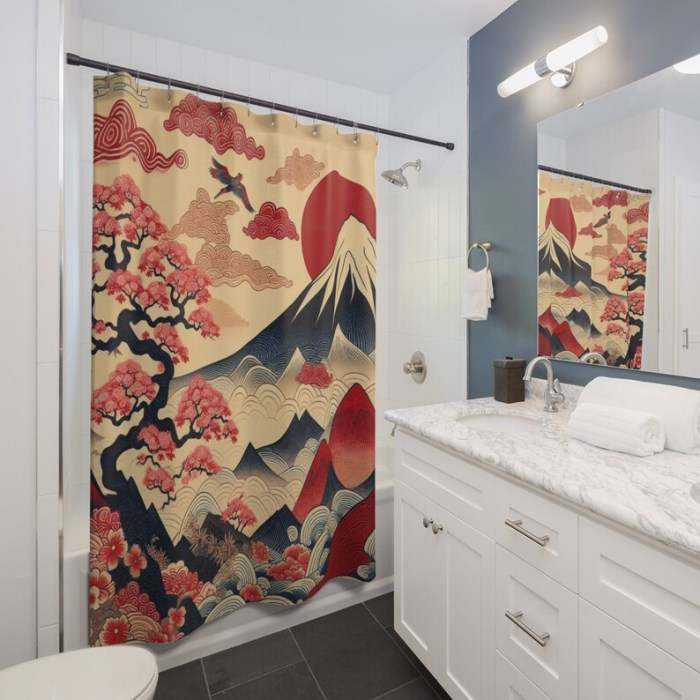
Japanese-inspired shower curtain aesthetics offer a serene and minimalist approach to bathroom design. Integrating this style seamlessly into a home requires careful consideration of materials, colors, and accessories. This approach prioritizes harmony and tranquility, creating a calming atmosphere that extends beyond the shower enclosure.
Integrating the Aesthetic into Home Design
This style emphasizes clean lines, natural materials, and a calming color palette. To integrate it successfully, consider using light, neutral colors for the walls and fixtures, allowing the shower curtain to become a focal point. The design often utilizes a minimalist approach, avoiding overly ornate or cluttered elements. This allows the tranquil ambiance to take center stage.
Selecting the Right Shower Curtain
Selecting a suitable shower curtain is crucial. Look for options made from natural fibers like linen or cotton. These materials often offer a softer feel and allow for better breathability compared to synthetic materials. Consider the size of the shower enclosure to ensure the curtain drapes properly. Additionally, choose a color palette that harmonizes with the overall bathroom design, potentially incorporating subtle patterns or textures to add visual interest without overpowering the space.
Incorporating into Different Bathroom Designs
The Japanese aesthetic can be adapted to various bathroom sizes and styles. In a small bathroom, a minimalist design featuring a single, large shower curtain can visually expand the space. For larger bathrooms, consider using multiple, layered curtains for a more nuanced look. The incorporation of natural materials and light colors will maintain a sense of spaciousness. This aesthetic is particularly suited to contemporary bathrooms, where its sleek and uncluttered style can complement modern fixtures and fittings.
Shower Curtain Color Schemes
- Neutral Tones: A palette of creams, beiges, and grays creates a calming atmosphere. This approach often uses a single color for the curtain and walls, letting natural light highlight the subtle texture of the curtain. For example, a light beige shower curtain against cream-colored walls with natural wood accents, such as a vanity top or shelving, can create a serene and relaxing ambiance.
- Earthy Hues: Incorporating shades of taupe, terracotta, and olive green brings a connection to nature. This can be further enhanced with natural fiber accessories and lighting to maintain a sense of balance and calm. For example, a taupe shower curtain with light terracotta accents on the floor and walls creates a warm and inviting atmosphere.
- Monochromatic Palette: Using varying shades of a single color, such as different tones of gray or white, creates a sophisticated and harmonious feel. This approach allows the texture of the curtain to take center stage. For instance, a shower curtain featuring a subtle gradient of gray tones from light to dark gray will visually draw the eye and create a sense of depth.
Complementary Accessories
Accessories play a vital role in enhancing the Japanese aesthetic. Natural elements, such as bamboo or wood-toned items, can be incorporated into the design. Consider adding a small, simple wooden shelf to display minimalist bath products. Lighting should be soft and diffused, using natural light whenever possible, or incorporating warm-toned, indirect lighting fixtures to create a serene ambiance.
A subtle, understated bath mat made from natural fibers, like seagrass or jute, complements the design.
Final Conclusion
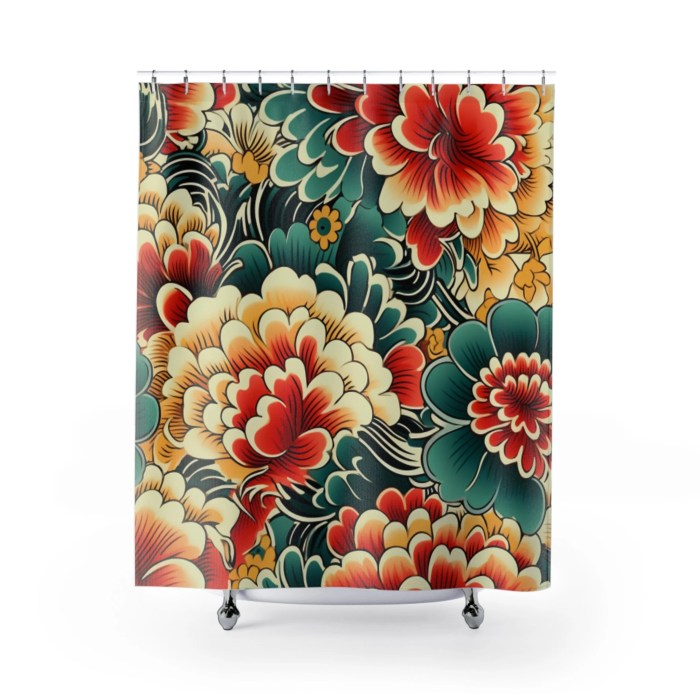
In conclusion, the Japanese shower curtain aesthetic transcends mere decoration; it’s a holistic approach to creating a serene and functional shower experience. By understanding the cultural nuances, material choices, and design principles, homeowners can transform their bathrooms into tranquil oases. This deep dive into the aesthetic, from its historical roots to contemporary adaptations, provides a comprehensive framework for anyone interested in embracing the tranquility and elegance of Japanese design in their home.
